


The internet makes information easy to find, but it also makes private material easier to spread. Searches for Thejavasea.me Leaks AIO-TLP371 have raised questions about online data leaks, leaked digital material, and unauthorized information sharing. Many readers simply want to know whether the claims are real, exaggerated, or simply noise.
This guide explains Thejavasea.me Leaks AIO-TLP371 in plain language, separating verified information from unconfirmed claims. You will also learn practical cybersecurity habits, from strong passwords to multi-factor authentication, that protect your data privacy and personal information, helping you stay calm, informed, and consistently safe.
What Is Thejavasea.me Leaks AIO-TLP371?
Thejavasea.me is a website name, and the phrase pairs it with “leaks” and the identifier AIO-TLP371. It looks like a search term tied to Thejavasea.me leaks and alleged leaked digital material.
The keyword alone proves nothing about contents, origin, or authenticity. Treat every claim as unconfirmed claims until independent reporting and technical evidence back it up.
- Website name plus “leaks” plus an identifier
- Contents and source are not independently verified
- Popularity of a search term is not proof of an incident
Why Is Thejavasea.me Leaks AIO-TLP371 Getting Attention?
People notice odd identifiers in online forums, social media, and search suggestions, then go looking. A technical-sounding code attached to a website name naturally sparks curiosity and speculation.
Others follow online security news or worry about personal information. Attention reflects curiosity and fear more than confirmed facts, which is why context matters before anyone reacts.
- Curiosity from internet communities and online discussions
- Interest from people following data breaches
- Worry about account information and data exposure
- Questions about data authenticity
What Does AIO-TLP371 Actually Mean?
AIO usually means All-In-One, a bundle of items packed together, such as software collections or archived files. It describes the packaging, not what is actually inside.
TLP371 looks like a label from online chatter. It is not part of the Traffic Light Protocol maintained by FIRST, so it is not an official security classification.
| Official TLP Label | Meaning |
| TLP:RED | Restricted to named recipients only |
| TLP:AMBER | Limited sharing under defined conditions |
| TLP:GREEN | Shareable within a community |
| TLP:CLEAR | No sharing restrictions |
- TLP371 is not on this list
- Never read it as an official information sharing label
Is TheJavaSea.me AIO-TLP371 a Confirmed Data Breach?
Public information does not establish an independently verified data breach tied to AIO-TLP371. A confirmed breach needs company statements, regulatory notices, or credible cybersecurity investigations.
Sources and sizes vary widely, and details stay murky. The honest conclusion is that the keyword circulates online, but its biggest claims lack strong support.
| Detail | Status |
| Original source | Unclear |
| Authenticity | Not verified |
| Size and contents | Unknown |
| Affected people or groups | Not established |
| Recent or recycled data | Uncertain |
- Separate verified information from rumor
- Look for technical reports and official statements
Potential Cybersecurity Risks Associated With Leak Collections
1. Malware and Suspicious Downloads
Cybercriminals hide malware inside malicious archives, using executable files, harmful scripts, and infected documents. Opening one can quietly expose your device and everything stored on it.
- Avoid suspicious downloads from unknown pages
- Never run unfamiliar executable files
- Watch for malicious software posing as “leak packs”
2. Password Theft and Account Compromise
Some circulating leaked datasets contain stolen credentials, though that is unproven here. Password theft is dangerous because reused passwords let one exposure lead to wider account compromise.
- Reused passwords multiply the damage
- Check usernames and email addresses for exposure
- Replace any exposed password right away
3. Phishing and Fake Websites
Phishing attacks use fake websites and fake login screens that copy real brands. Scammers exploit curiosity about leaks to collect account information through convincing phishing websites.
- Don’t enter credentials to “unlock” a file
- Avoid suspicious links and fake security notifications
- Verify sites independently
4. Privacy and Identity Theft
Exposed telephone numbers, email addresses, and private documents feed scams and identity theft. Criminals combine details for impersonation, fraudulent account registrations, and unauthorized financial activity.
- Watch for unexpected account sign-ups
- Review bank statements often
- Guard your digital identity and confidential information
Why You Should Avoid Downloading Unverified Leak Files
Curiosity is no reason to download. The source may be untrustworthy, the label may be false, and the archive may hide malware. You also risk handling someone else’s private documents.
Downloading rarely tells you whether you were affected anyway. Safer checks exist, and they never involve unauthorized archives or download websites of doubtful reputation.
| Risk | What Can Happen |
| Malware | Device infection and data theft |
| Phishing | Stolen logins |
| Legal and ethical issues | Handling others’ confidential documents |
| False labels | Wasted time, real harm |
- Use official channels instead
- Skip leaked datasets entirely
How to Protect Yourself From Possible Data Exposure
Use Strong and Unique Passwords
Give every important account its own unique password. Strong passwords avoid names, birthdays, and predictable phrases. A password manager can create and store them securely.
- Replace any breached password at once
- Update every account that shared it
- Prioritize email security
Enable Multi-Factor Authentication
Multi-factor authentication (MFA) adds a second check beyond your password. Use authentication applications or security keys to block unauthorized access even if a password leaks.
- Turn it on for email, banking, and cloud storage security
- Prefer apps or keys over weaker options
- Improves account security quickly
Check Your Email for Known Breaches
Have I Been Pwned lets you run email breach checking against known breach records without touching suspicious files. A hit means documented data exposure, not necessarily a current compromise.
- Change affected passwords
- Turn on breach notifications
- Complete account security reviews
Keep Your Devices Updated
Operating system updates and application updates close security vulnerabilities attackers exploit. Turn on automatic updates, use reputable security software, and install only from official software sources.
- Enable automatic updates
- Avoid unfamiliar installers
- Strengthen device protection
Watch Out for Suspicious Messages
Alarming texts about “leaked accounts” often involve social engineering. Scammers lean on fear and curiosity to push clicks. Verify the sender by visiting the official website yourself.
- Don’t tap suspicious links
- Beware of urgency and threats
- Report online scams
How to Evaluate Information About TheJavaSea.me Leaks AIO-TLP371
Good evaluation means asking who says it and what proves it. Look for independent reporting, check publication dates, and favor sources that admit their limits.
Be wary of huge numbers without evidence. Real cybersecurity professionals explain methods, not just headlines, which keeps information accuracy high and panic low.
| Check | Why It Matters |
| Independent reporting | Confirms the claim elsewhere |
| Publication dates | Exposes recycled stories |
| Technical evidence | Shows how findings were reached |
| Exaggerated numbers | Often a warning sign |
- Separate facts from assumptions
- Build cybersecurity awareness
The Importance of Responsible Information Sharing
Reposting private material can cause harm to real people. Private photographs, confidential communications, and credentials can cause damage that is hard to undo.
Practice ethical data handling: don’t pass along unauthorized archives, and use legitimate reporting channels instead. Organizations should adopt data-handling policies and employee awareness programs.
- Don’t redistribute private files
- Report problems through proper channels
- Promote privacy awareness
Read Also This: Jo Blythe: Her Journey as a Trusted ITV Weather Presenter and Television Personality
The Future of Online Data Privacy and Cybersecurity
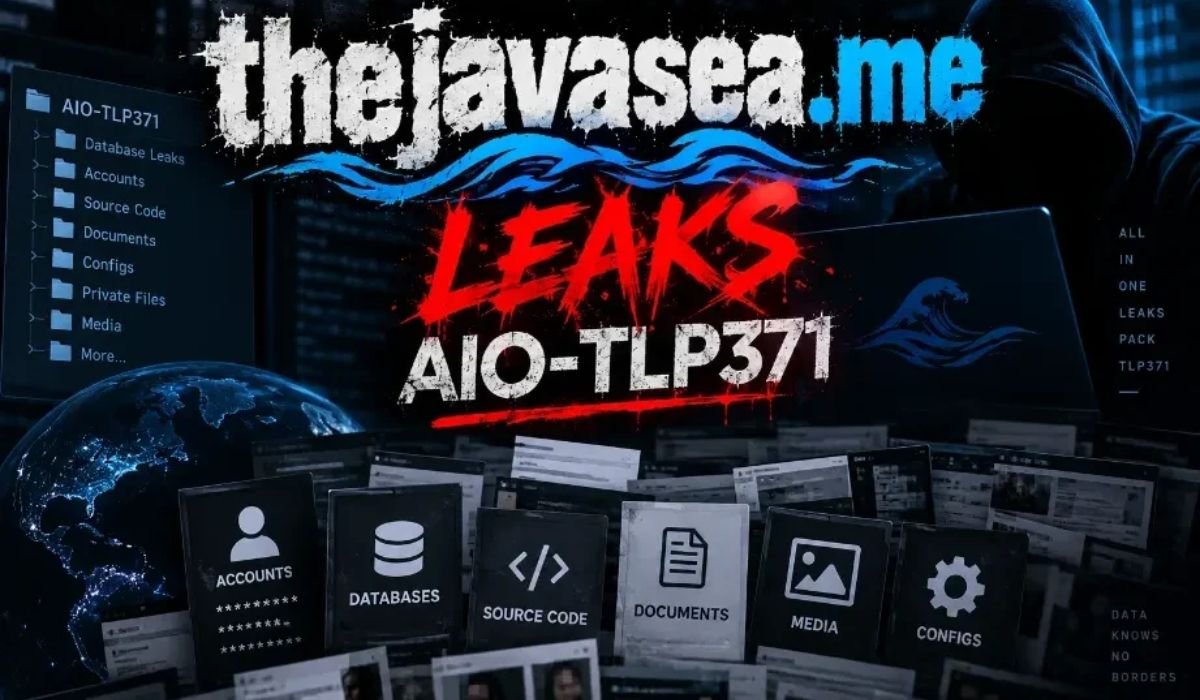
Passwordless authentication, passkeys, encryption, and automated threat detection are improving online security. Better identity verification systems and security technology make attacks harder.
Tools still can’t replace judgment. Weak habits, like reusing passwords or trusting unknown sites, remain the easiest door for attackers, so education stays essential.
- Adopt passkeys where offered
- Support incident response planning and regular security assessments
- Practice digital risk management
Frequently Asked Questions
What is the AIO-TLP371 leak about?
Thejavasea.me Leaks AIO-TLP371 refers to an alleged data leak that raises concerns about exposed information and online security risks.
Why are people talking about this online?
Thejavasea.me Leaks AIO-TLP371 has attracted attention because people want to understand its source, contents, and possible privacy risks.
Is the leaked information safe to access?
Thejavasea.me Leaks AIO-TLP371 may involve security risks, so avoid suspicious downloads, unknown links, and files from untrusted sources.
What does AIO-TLP371 mean?
Thejavasea.me Leaks AIO-TLP371 includes a code that appears to identify the reported leak, but its exact meaning needs verification.
Can this incident put personal data at risk?
Thejavasea.me Leaks AIO-TLP371 raises data privacy concerns, especially if sensitive information was exposed or shared without permission.
How can users protect themselves from leaked data?
To stay safe from Thejavasea.me Leaks AIO-TLP371, use strong passwords, enable two-factor authentication, and avoid unverified downloads.
Is there a way to verify the leak?
Check trusted cybersecurity reports about Thejavasea.me Leaks AIO-TLP371 before believing online claims or sharing potentially harmful files.
Conclusion
Thejavasea.me Leaks AIO-TLP371 is a circulating keyword, but its contents, origin, and authenticity remain unverified. Treating it as fact would be a mistake. Stay skeptical, rely on verified information, and never download unknown files out of curiosity.
Whatever the truth behind Thejavasea.me Leaks AIO-TLP371, your best defense is habit: unique passwords, multi-factor authentication, Have I Been Pwned checks, and regular updates. Strong information security practices protect you from data breaches, phishing attacks, and identity theft.
1 thought on “Thejavasea.me Leaks AIO-TLP371: Exploring the Controversy, Data Privacy, and Security Concerns”